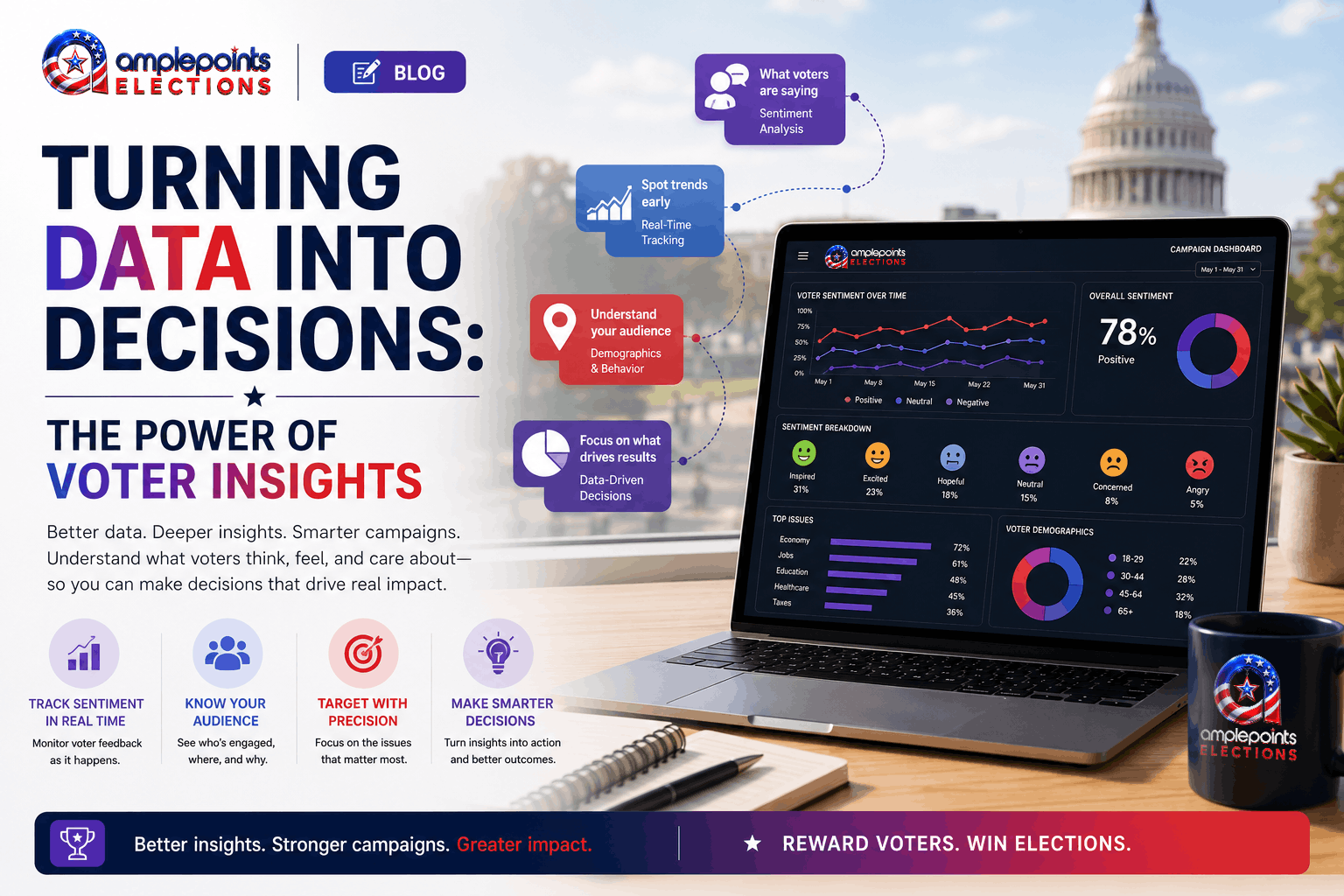
Campaigns collect enormous amounts of information, but more data does not automatically lead to better decisions. The real advantage comes from knowing what happened, understanding why it happened, and deciding what to do next.
Start with completed engagement
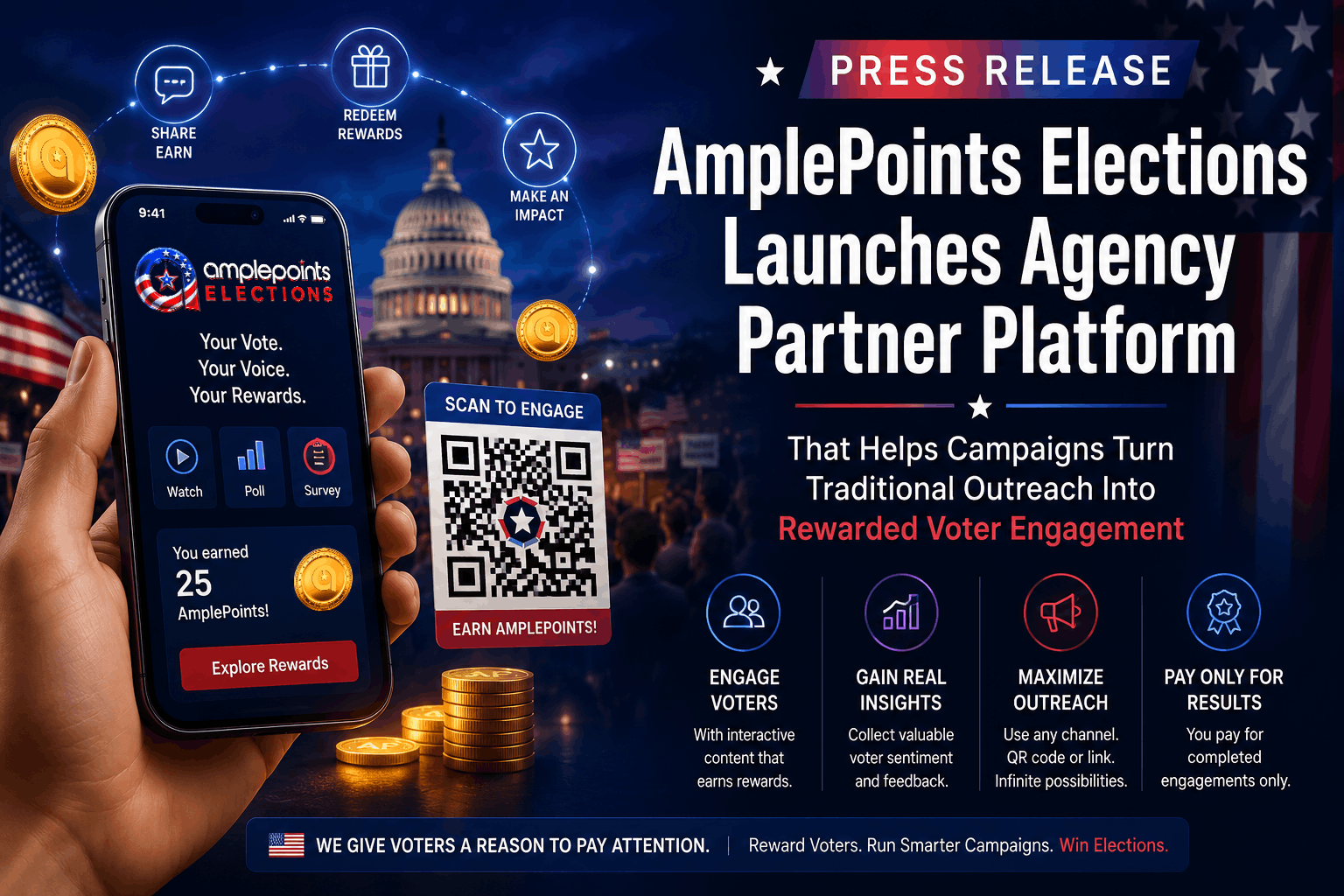
Impressions and delivered messages tell a campaign that content was available. They do not prove that anyone watched, read, understood, or responded. Completed engagement provides a stronger foundation because the participant finished a defined experience.
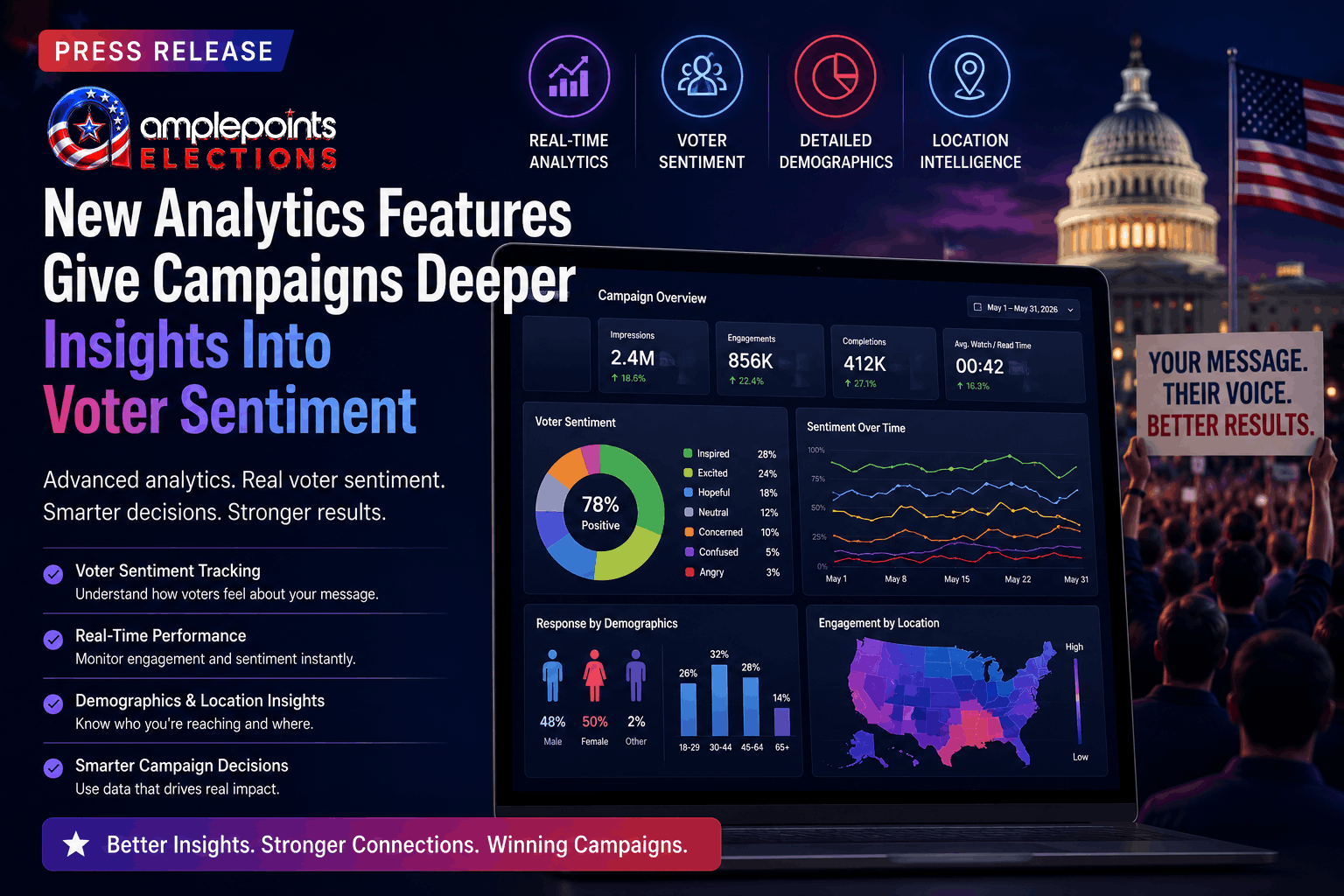
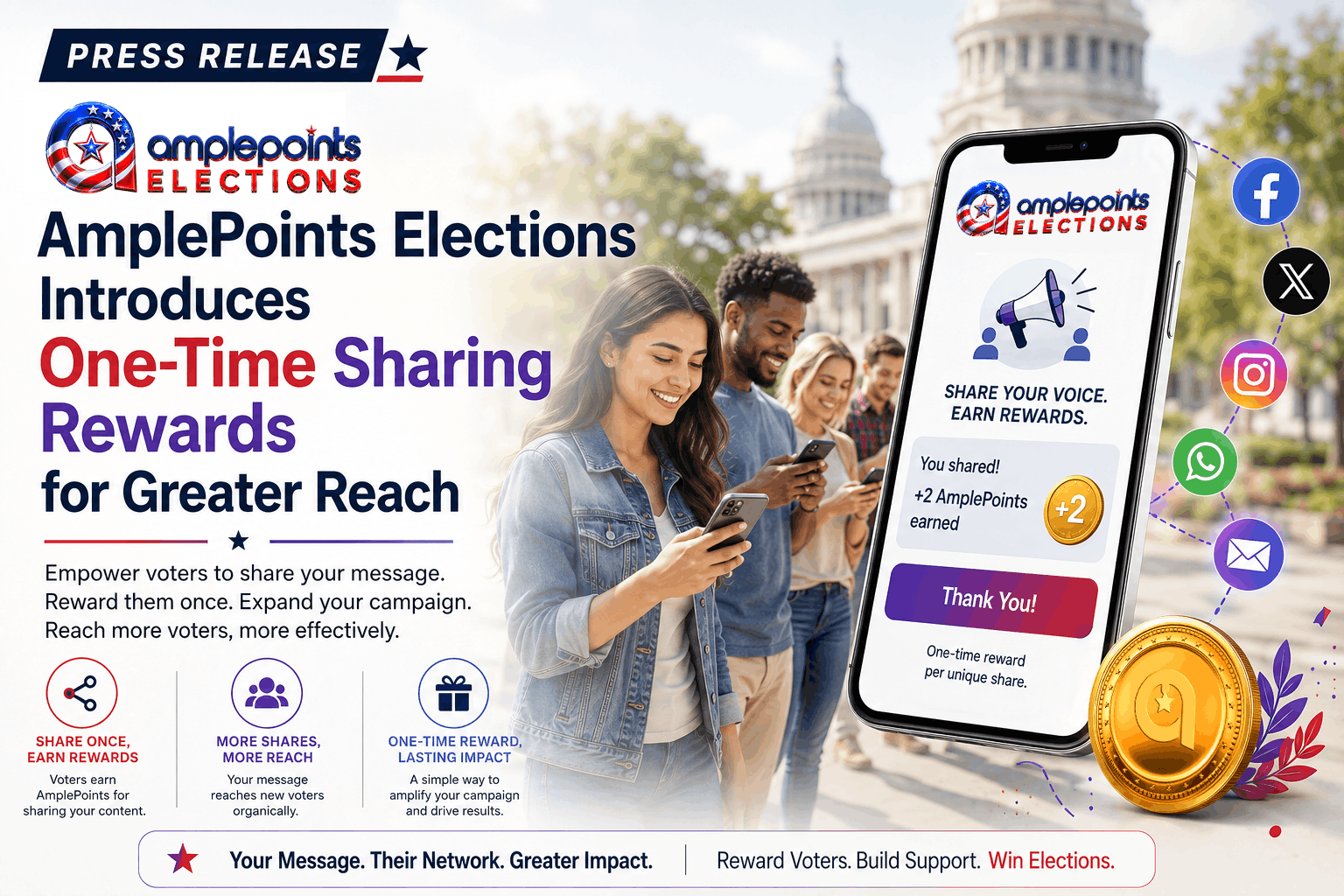
With AmplePoints Elections, campaigns can review starts, completions, average watch or read time, poll results, survey responses, sentiment, geography, device type, and sharing activity. These signals help teams move beyond surface-level delivery numbers.
Look for patterns, not isolated numbers
A single response rarely changes a strategy. Patterns across hundreds or thousands of completed experiences can reveal where messages are resonating, where confusion exists, and which subjects deserve more attention.
For example, a campaign may discover that one message produces strong completion but high levels of concern, while another produces fewer starts but more hopeful sentiment. Neither result is automatically good or bad. Each result creates a question the campaign can explore.
Compare audiences and locations
Geographic and demographic comparisons can uncover meaningful differences. A message that performs well in one city, county, age group, or language may require a different explanation elsewhere.
Use insights to improve the next experience
The purpose of analytics is action. Campaigns can shorten a video, clarify a question, change the order of information, add another language, adjust targeting, or create a follow-up survey for people who completed the original experience.
Build a learning cycle
The strongest campaigns treat engagement as a cycle: publish, measure, learn, adjust, and re-engage. Each completed experience adds information that can improve the next one.
Data should make campaign teams more confident, not more overwhelmed. A focused dashboard, clear completion rules, and practical reporting can turn voter feedback into decisions that are faster, better informed, and easier to explain.